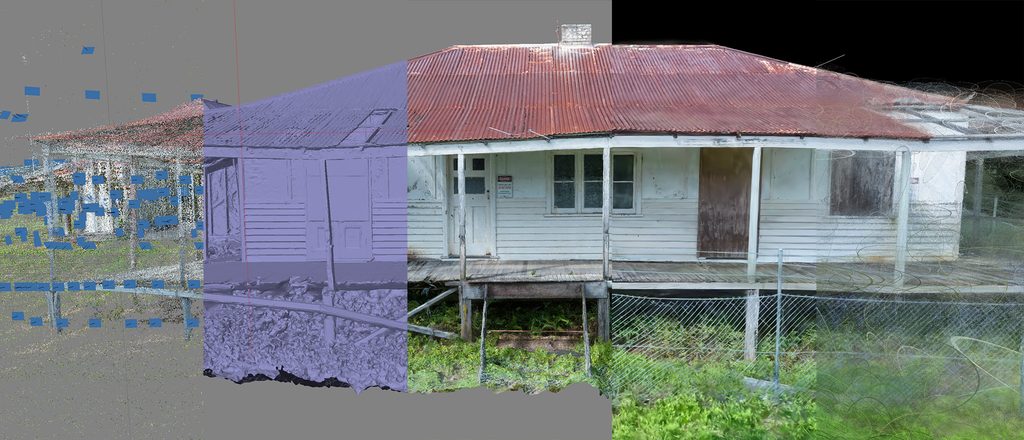
The conference has now finished. Thank you to all our presenters and attendees. Video recordings of the presentations are coming soon.
View the program Read the abstracts
The Australasian and Japanese chapters of CAA (Computer Applications and Quantitative Methods in Archaeology) hosted our Fourth Online Conference on 12 and 13 November 2026.
About the Conference
The conference brought together academic and professional archaeologists based in or working across Australasia and Japan with an interest in digital and computational archaeology, including First Nations, Pacific, graduate, and early career researchers and professionals.
Keynote Speakers
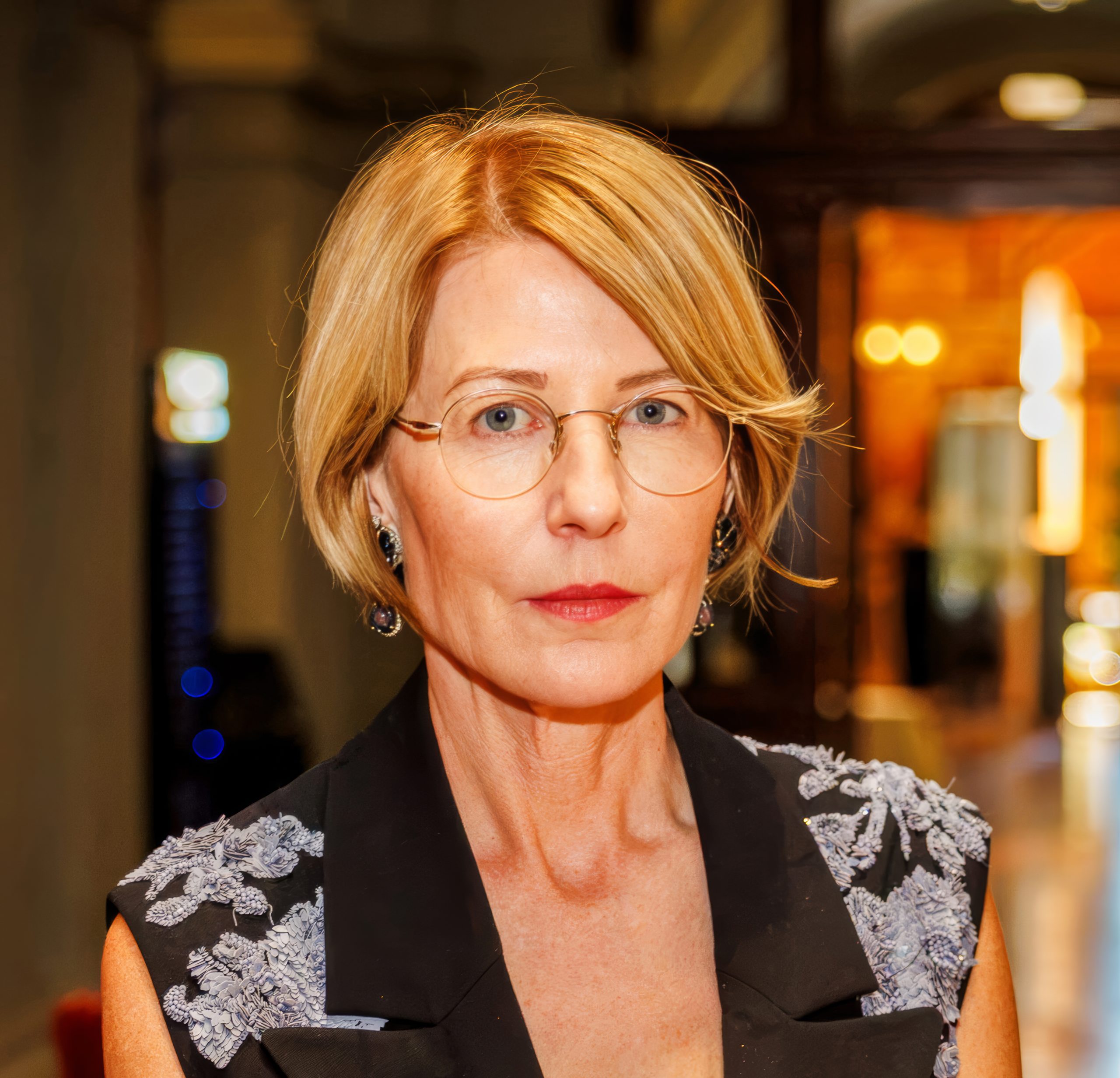
Professor Sarah Kenderdine
University of New South Wales
Computational Museology: Between Machine Intelligence, Synthetic Objects, and Embodied Aesthetics
This lecture presents computational museology as a framework that repositions the museum as an anticipatory system linking cultural heritage, emerging technologies, and diverse publics. By integrating machine intelligence with data curation, ontology with visualization, and embodied interaction with immersive interfaces, museums can form new connections between objects, knowledge systems, and participatory practices. Discriminative AI reveals hidden relations within cultural big data—such as Narratives from the Long Tail, which generates narrative coherence across 200,000 hours of archival video—while generative AI produces new cultural forms for public co-creation, as seen in the Public Portal to Anticipation. Through examples of replicas, digital surrogates, and “cultural deep fakes,” the lecture explores how computational techniques reveal unseen patterns in cultural artefacts and challenge ideas of authenticity, authority, and the future of heritage.
Professor Sarah Kenderdine is a leader in interactive and immersive experiences for museums and cultural heritage. She is Professor at EPFL, Switzerland, where she leads the Laboratory for Experimental Museology (eM+), and Curator-at-Large of EPFL Pavilions. She pioneered computational museology, integrating AI, data curation, and immersive interfaces for cultural knowledge. She has created over 180 exhibitions and installations worldwide and co-authored Deep Fakes: A Critical Lexicon of Digital Museology (Routledge, 2025). She is a Corresponding Fellow of the British Academy.
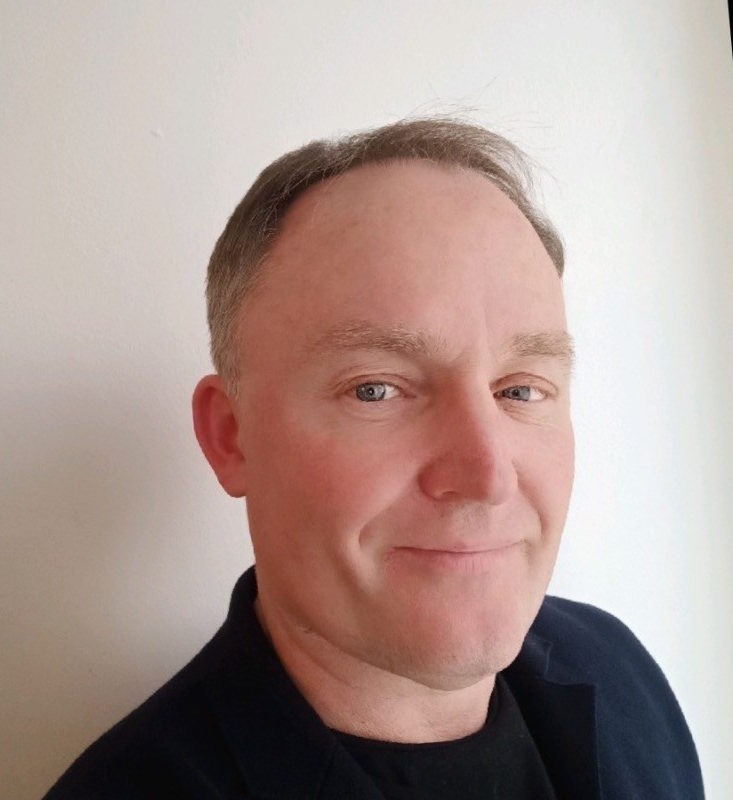
Professor Erik Champion
Adelaide University
Digital Heritage: The Living and the Dead
This talk will focus on the issue of increasing the usefulness and impact of digital heritage simulations and immersive visualisations. How can aspects of gamification, low-cost technologies of capture and visualisation, plus methods drawn from citizen-science, help increase visitation and understanding in this nascent era of hallucinating AI and corporate-driven Digital Multiverses?
Erik Champion is Professor of Virtual Heritage and Interactive History at Adelaide University and directs the Playful Cultures Lab, part of the Australian Research Centre for Interactive and Virtual Environments (IVE). He is Emeritus Professor at Curtin University, and Honorary Professor of Games, Immersive Media & Extended Reality, at the University of Salford, UK. He has written and edited books on the intersection between serious games and digital heritage, and teaches 3D digital media, architectural history, and game design.
Presentation Formats
The program included two presentation formats:
- Papers (15 minutes): research findings, case studies, and methodological approaches.
- Lightning Talks (5 minutes): early stage research, tools, and project updates.
Themes
Presentations addressed themes including:
- Digital technologies and methods
- Data and open science
- Community engagement
- Theoretical and ethical implications of digital and computational archaeology
Program and Recordings
Video recordings of the presentations will be published here soon. In the meantime, you can view the full program and read the abstracts for all papers and lightning talks.
View the program Read the abstracts